Commercial Waste Removal in Camden
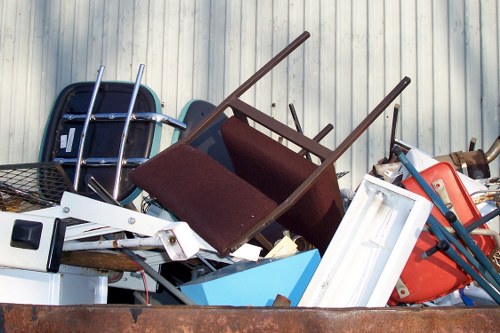
Commercial waste removal in Camden should be straightforward, lawful and suited to the way your business works. We handle general non-hazardous commercial rubbish from shops, offices, studios, hospitality premises and managed properties, helping you clear accumulated waste without disrupting day-to-day activity. The focus is on practical collection, sensible sorting and a tidy finish, so your workspace can move on quickly.
Our service is designed around commercial waste streams that build up in real premises: packaging, old fixtures, mixed office waste, broken small items, redundant stock and other routine non-hazardous materials. Where items need separate handling, we can keep them apart and describe the likely route clearly. That makes it easier to choose the right collection, avoid unnecessary handling and stay on top of disposal responsibilities.
If you need to clear business waste in Camden, start with the kind of material you have and how it is stored. Ask for a quotation when you are ready, or keep reading to see how the service is usually organised. For planned clearances and recurring removals, a clear description of the load helps us match the collection to the job and keep the process efficient.
Business Waste Collections for Everyday Premises
Every premises produces different waste, but many commercial jobs share the same core needs: safe lifting, sensible separation and a collection that works around access. Businesses often need removal of bagged rubbish, cardboard, packaging, old displays, non-confidential paper and general mixed debris. Our approach is to remove the material cleanly, keep the route through the property manageable and avoid leaving loose waste behind.
That flexibility matters because a back office, a customer-facing unit and a storage area do not usually generate the same kind of waste. Office moves may involve furniture, shelving or mixed paper and plastic; retail units may have packaging, damaged stock or worn fittings; light industrial spaces may need bulky offcuts or redundant equipment moved out in stages. The service is aimed at the practical clearance of those routine materials, with enough structure to handle different layouts and load sizes.
For organised waste removal, it helps to think in categories before collection. Common examples include:
- bagged general waste and sweepings
- cardboard, wrapping and shipment materials
- disassembled shelving and light fixtures
- broken furniture and unusable office items
- mixed non-hazardous debris from tidy-up work
Office Waste Removal and Workplace Clearances

Office waste removal is often about clearing items that no longer support the way a workplace operates. That can include chairs, desks, filing units, paper waste, redundant IT housings and general clutter from storage rooms or underused spaces. The aim is to remove the load efficiently while keeping the remainder of the office workable, especially where staff still need access to desks, meeting rooms or corridors during the collection.
Where offices are changing layout, the waste often comes from more than one source. Fit-out work, reorganisation and end-of-tenancy tidying can all produce a mixture of furniture, packaging and loose rubbish. We can deal with that as a single commercial collection where it is suitable, or segment the material where separation is easier. This gives you a better handle on what is leaving the building and how the removal should be completed.
Useful details make office collections smoother, especially if access is tight or the waste is spread across floors. A simple written list, a few photographs and a note of any lift, loading or parking constraints can help shape the job. If any items are unusually heavy, fixed in place or likely to need dismantling, mention that early so the collection can be planned without avoidable delay. Get in touch when the load is ready to be assessed.
Retail, Hospitality and Customer-Facing Premises
Retail and hospitality premises tend to generate visible waste that needs removing without causing unnecessary disruption to customers or staff. Packaging, cardboard, worn display units, broken fittings, food-related dry waste and stock that cannot be sold all need different handling depending on volume and condition. A careful removal keeps entrances, back-of-house areas and service routes clear while the load is being taken away.
In these settings, timing and access often matter as much as the material itself. Narrow stockrooms, shared service yards and busy front entrances can shape how a clearance is carried out. We can work from the areas you designate and remove the waste in a sequence that reduces backtracking. If some items are reusable or need to remain on site, they can be left aside while the unwanted material is taken out.
Our collections are best suited to non-hazardous commercial waste and unwanted fixtures that can be removed as part of a general disposal plan. Where something needs special handling, it is better to identify it before the collection starts. That way the waste can be separated correctly and the remainder of the job can proceed without confusion.
Bulky Items, Furniture and Interior Strip-Out Waste

Bulky commercial waste often includes furniture, reception items, storage units, counters and other interior pieces that are no longer needed. Removing these objects usually takes more than just lifting them out: doors may need to be opened, components may need to be detached and the route out of the property may need to be kept clear. We approach those jobs with an emphasis on control and care, particularly where the waste passes through shared spaces.
In some clearances, the main issue is not the weight of one item but the number of smaller bulky items that add up across a site. A room full of chairs, broken screens, stands, tables or cabinet parts can take longer than a single large object, especially where items are stacked or mixed with loose waste. A structured collection helps prevent unnecessary handling and keeps the job organised from start to finish.
Supportive planning is useful for bulky removals, but it does not need to be complicated. If the items are already grouped together, tell us roughly what is included and whether there are stairs, narrow doors or other access points to consider. If dismantling is likely, mention that too. The more clearly the load is described, the easier it is to arrange a sensible commercial collection.
Hazardous, Confidential and Specialist Materials

Some businesses produce waste that needs a different route from standard office or shop rubbish. Confidential papers may require shredding arrangements, while certain chemical, contaminated or restricted items may fall under hazardous waste controls. These materials should not be mixed into a general clearance unless they are suitable for that route and described accurately. The right approach depends on what the item is, how it has been stored and which disposal rules apply.
Where specialist handling is needed, the first step is usually to identify the material clearly rather than treating everything as one load. That can mean separating paper records from ordinary waste, keeping hazardous items apart or removing equipment that has a specific disposal path. This kind of sorting supports safer handling and makes the overall process more transparent for the customer.
If you are unsure whether an item belongs in a general business waste collection, it is better to ask before the job is booked. Request a quotation once the material has been checked, or contact us for guidance on whether a separate arrangement is needed. Clear information at the outset helps avoid delays and keeps the waste route appropriate to the material.
About Camden
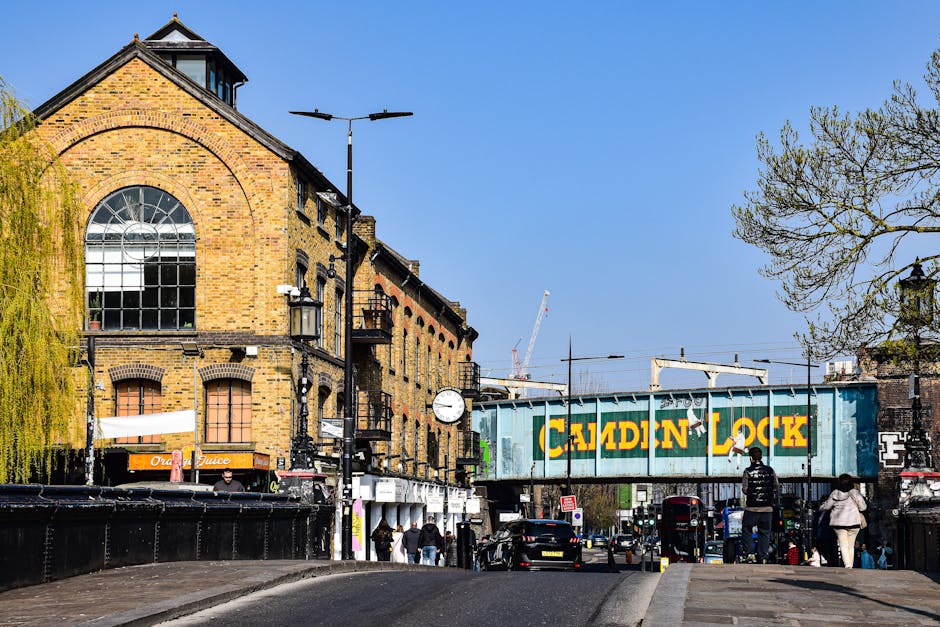
Camden is a central and north-west London district shaped by a mix of transport, culture and densely layered urban history. The area takes its name from Camden Town, which developed in the late eighteenth century alongside the expansion of the Regent’s Canal and the growth of routes connecting the capital with the Midlands. The canal remains one of the district’s defining features, linking a chain of waterside spaces that still give structure to parts of the local landscape. Camden Town itself is known for its busy streets, market traditions and a strong association with live music and alternative culture, but the wider borough extends far beyond that well-known core. It includes neighbourhoods such as Bloomsbury, Kentish Town, Hampstead, Holborn and King’s Cross, each with a distinct character and architectural history. Large parts of the area are built at different scales, from Georgian terraces and mansion blocks to later civic, educational and transport-led development. The British Museum sits on the southern edge of the district’s orbit, while Regent’s Park forms an important open-space boundary to the west. Camden High Street, Euston Road and the routes around King’s Cross show the intensity of movement that has long characterised the area, with rail and Underground connections reinforcing its role as a major inner-London district. Despite the pressure of modern development, many streets still reflect older layers of settlement, commercial growth and Victorian rebuilding. That mix of waterway, market, housing and institutional architecture gives Camden a distinctive urban texture that remains visible in everyday movement through the district.
Planning a Collection Around Your Working Day
Many commercial clearances go more smoothly when the collection is planned around opening hours, deliveries or quieter periods on site. That does not mean the job has to be difficult; it simply means the waste should be identified in a way that suits the premises. If the material is on one floor, in a stockroom or split across several rooms, it is useful to say so before the visit. The more the waste is grouped, the easier it is to remove in a steady sequence.
When you are arranging a collection, think about what would help the process move without interruption. A short list of items, a note on access and a rough idea of volume are usually enough for an initial discussion. If there are lift restrictions, limited parking or controlled entry points, mention them with the rest of the job details. That is often the difference between a simple clearance and one that needs extra coordination.
Here are a few practical points to include:
- what type of commercial waste needs removing
- where the waste is located in the premises
- whether items are loose, bagged or stacked
- any access limits, stairs or loading restrictions
- which items must stay on site
What Affects the Work and the Quotation
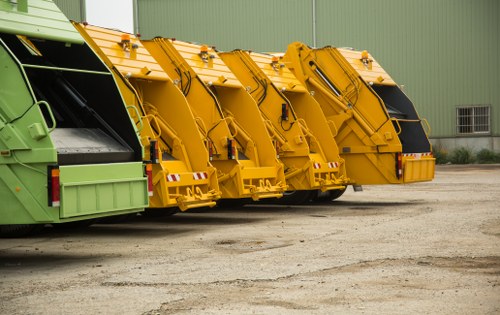
Commercial waste removal is usually priced and planned according to a few practical factors rather than by guesswork. The main ones are the amount of waste, the kind of material involved, how easy it is to access and whether any items need extra handling. A mixed load with bulky furniture will usually take a different approach from a straightforward bagged waste collection. By describing the load accurately, you make it easier to prepare a sensible quotation.
It also helps to know whether the waste is ready to go or still needs to be gathered from several areas. A single tidy pile is simpler than items spread through multiple rooms or floors. If anything is particularly awkward to move, such as a heavy cabinet, fixed shelving or large broken pieces, that detail should be included early. This is not about creating a complicated list; it is about matching the collection to the real condition of the waste.
For a clear quotation, send the key facts once rather than piecemeal. A brief description, a few photographs if available and any access notes are usually enough to begin. Ask for a quote when you are ready, and we can help you choose the most suitable collection for the waste you need removed.
Choosing the Right Commercial Waste Service
Different businesses need different kinds of removal, so it is useful to match the service to the waste rather than forcing everything into one category. An office may need a mix of furniture and paper waste, while a shop may only need packaging and old fittings cleared. A storage room may hold a blend of unwanted stock, cardboard and broken equipment. The right service is the one that reflects what is actually there.
When the waste includes more than one type of item, separation can save time and reduce confusion. General rubbish can be kept apart from equipment, confidential material and anything requiring special handling. That helps with practical disposal planning and gives you a clearer picture of what is being removed. It also makes the collection easier to explain to colleagues, landlords or facilities teams who may need to sign it off.
If you are comparing options, focus on the type of load, the access conditions and the outcome you need. Commercial waste removal is not only about taking things away; it is about doing so in a way that fits the premises and the material. Once you have a clear picture, the collection can be arranged with much less disruption.