Kentish Town bulky waste removal for estate managers: a practical guide to smoother clearances
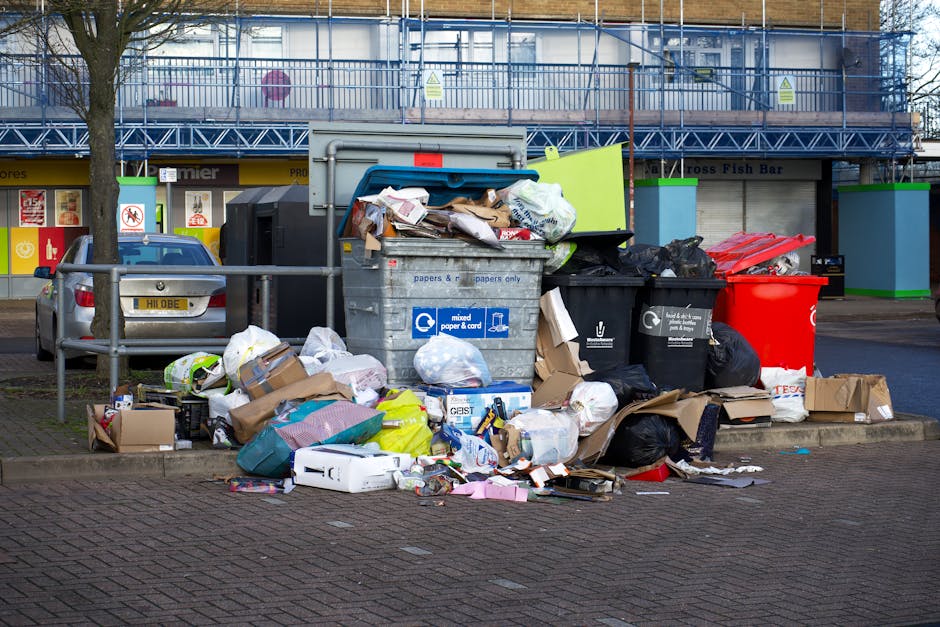
If you manage an estate in Kentish Town, bulky waste has a way of turning up exactly when you are already juggling three other problems. Old wardrobes left by bins, broken office chairs in a basement store, mattresses stacked behind a service door, a fridge nobody wants to claim responsibility for. It is messy, awkward, and if it lingers, it quickly becomes a resident complaint, a safety issue, and a bad look for the whole site.
This guide on Kentish Town bulky waste removal for estate managers is designed to help you deal with all of that calmly and properly. We will look at what the service covers, how it usually works, the practical benefits for estates, and the common mistakes that create extra cost and stress. We will also cover compliance, coordination, and a few real-world tips that make the difference between a tidy, professional clearance and a half-finished job that keeps coming back.
Truth be told, bulky waste is rarely just about rubbish. It is about access, timing, residents, contractors, and making sure the estate feels looked after. That is where a clear system helps.
Why Kentish Town bulky waste removal for estate managers Matters
Estate managers are often the person everyone turns to when something large, awkward, or unwanted needs shifting. That includes old sofas, damaged beds, broken furniture, bulky white goods, dismantled wardrobes, leftover items from tenant moves, and the odd mystery pile that appears overnight. In a busy part of North London like Kentish Town, those items can block shared spaces fast.
Why does it matter so much? Because bulky waste sits at the intersection of resident experience, site safety, and operational control. A single pile of waste can narrow a fire route, attract fly-tipping, or make a courtyard look neglected. And once one pile appears, others tend to follow. People notice a messy corner. They just do.
For estate managers, the challenge is not only removing the item. It is planning the removal so that it does not disrupt residents, concierge staff, cleaners, or maintenance teams. That means thinking about access routes, lift protection, parking, load-bearing limits, timing, and where the waste will go once it is collected. A good bulky waste plan reduces complaints and keeps the estate feeling orderly.
There is also a reputation angle. Residents tend to judge the professionalism of an estate by the small things: the bins, the paths, the smells, the noise, the way issues are handled. Bulk waste left too long can make an otherwise well-run site feel a bit tired. Nobody wants that.
How Kentish Town bulky waste removal for estate managers Works
In most cases, bulky waste removal for estates follows a fairly simple process, though the details matter. First, you identify what needs to go. Then you decide whether the items are reusable, recyclable, hazardous, or simply waste. After that, the collection is scheduled, access is arranged, and the removal team carries out the clearance.
For estate managers, the best starting point is a quick site assessment. Ask:
- What items are being removed?
- How much space do they take up?
- Are they in a basement, courtyard, flat, store room, or communal area?
- Will stair access or lift access be needed?
- Are there parking or loading restrictions nearby?
- Are any items likely to need special handling, such as appliances or damaged glass?
That sounds basic, but it saves time later. A lot of delays happen because the team arrives with one idea of the job and finds something rather different on site. A mattress on the ground floor is one thing. A mattress plus an old fridge, a broken cabinet, and two fly-tipped bags in a locked yard is another.
At a practical level, bulky waste removal is usually quicker and more flexible than waiting for ad hoc council-style solutions, especially when several units or blocks are involved. It is often useful for one-off clearances, end-of-tenancy moves, post-refurbishment tidy-ups, and seasonal estate clean-downs. If the job is part of wider site waste management, some managers also use business waste removal alongside clearance services to keep the estate organised across multiple waste streams.
For items like old furniture, it helps to separate what is being cleared. If you have sofas, armchairs, or cabinets, the right route may be more specific than a general pile removal. Services such as furniture clearance, furniture disposal, or even mattress and sofa disposal can make the job more efficient and reduce sorting on the day.
Key Benefits and Practical Advantages
There are plenty of reasons estate managers prefer a structured bulky waste removal arrangement rather than trying to handle each incident piecemeal.
- Cleaner communal areas: Items are removed before they become a permanent eyesore.
- Better resident satisfaction: People are far more relaxed when shared areas are tidy and predictable.
- Reduced safety risks: Less clutter means fewer trip hazards and less obstruction.
- Less staff time wasted: Managers and caretakers spend less time chasing ad hoc fixes.
- Improved access control: Collections can be planned around gates, lifts, parking, and concierge hours.
- More consistent standards: A repeatable clearance process is easier to manage across multiple blocks or buildings.
There is a quieter benefit too: confidence. When you know bulky waste can be handled without drama, you stop treating every abandoned chair or old appliance like a crisis. That matters. It keeps the day moving.
Another advantage is the ability to separate ordinary items from specialist waste. A standard seating clearance is not the same as removing a fridge, a hard-hadled appliance, or a potentially contaminated item from a void flat. For white goods, a dedicated option like fridge and appliance removal is often the cleaner choice. If there is any concern about certain items, such as chemicals or contaminated materials, then hazardous waste disposal should be considered carefully and not guessed at.
Practical summary: For estate managers, the real value of bulky waste removal is not just lifting heavy items. It is reducing complaints, protecting shared spaces, and creating a predictable system that staff can rely on week after week.
Who This Is For and When It Makes Sense
This service is a strong fit for estate managers, block managers, managing agents, housing teams, site caretakers, and facilities staff who are responsible for shared residential or mixed-use buildings in Kentish Town. It is especially useful when the estate has multiple entrances, communal stores, underground access, or a steady flow of tenant changeovers.
It also makes sense if you are dealing with:
- void flat clear-outs before reletting
- bulk rubbish left in communal hallways or bin stores
- old furniture abandoned by former tenants
- post-maintenance or post-refurbishment debris
- garden or courtyard clearances after seasonal maintenance
- bulk items left after resident moves or evictions
To be fair, not every job needs a large-scale clearance. Sometimes a small, targeted collection is enough. But if the site has repeated bulky waste issues, a more formal approach usually pays for itself in reduced complaints and less staff time. And if you are already coordinating wider property work, clearing bulky waste can fit neatly alongside builders waste clearance or broader waste removal.
One thing managers sometimes overlook is the impact of furniture-heavy voids. A flat packed with an old bed frame, wardrobe, sofa, and a fridge is not just more work; it often needs different handling and sequencing. In those cases, services like flat clearance and house clearance can be useful references for planning the job as a whole, even if the estate context is different.
Step-by-Step Guidance
If you want bulky waste removal to run smoothly on an estate, a simple process works best. Here is a practical structure you can use.
- Identify the waste clearly. Make a list or take photos. Separate furniture, appliances, general junk, and anything unusual.
- Check access. Measure doorways, note lift size, and confirm whether there are stair-only routes or restricted loading points.
- Flag special items. Items like fridges, mattresses, glass, or potentially hazardous materials may need separate handling.
- Choose a collection window. Pick a time that avoids resident rush periods, school runs, or cleaning schedules if possible.
- Notify residents or staff. A short notice can prevent misunderstandings and keep corridors clear.
- Prepare the route. Move cars if needed, keep entrances open, and protect surfaces where heavy items may be carried.
- Confirm the waste list on the day. Jobs change. Make sure the collection team sees the actual items, not just the original plan.
- Review the result. Check that the area is clear, clean, and safe before closing the job.
That final check is a small step, but it matters. A left-behind cushion under a stair or one loose board in a service corridor can undermine the whole tidy-up. Annoying, yes. Fixable, also yes.
If the estate has limited storage or awkward access, it can help to compare clearance approaches before booking. Some items are better handled as part of a broader estate clearance, while others suit a targeted collection. If storage rooms, lofts, or garage spaces are involved, the related services loft clearance and garage clearance may be relevant to the planning stage.
Expert Tips for Better Results
After enough estate jobs, a few patterns become obvious. The smoothest clearances are rarely the fanciest; they are the ones that are prepared properly. A few tips make a big difference.
- Use photos, not just descriptions. "A few items" can mean one chair or half a room.
- Group waste by type before the team arrives. Furniture together, appliances together, loose rubbish together.
- Keep access routes as short as possible. Every extra corner adds time and risk.
- Plan for residents who are at home. Noise, corridor traffic, and door propping all affect the experience.
- Book before the pile grows. Small jobs stay small. Waiting tends to turn them into awkward jobs.
- Keep a simple estate log. A record of recurring waste spots helps you spot patterns quickly.
If the estate regularly sees dumped furniture, it may be worth adding resident reminders, clearer disposal guidance, or sharper contractor rules. That does not solve everything, but it helps. A lot.
Another useful habit is keeping a short list of service pages handy for different item types. For example, if a cleanup turns into a mixed disposal job, you may need furniture support, appliance collection, or even home clearance style help for a void property. Having those options in mind makes planning much easier when things are moving quickly.
Common Mistakes to Avoid
Most bulky waste headaches come from a handful of avoidable mistakes. They are common, and honestly, very human.
- Vague job descriptions: Saying "there is some waste" leads to guesswork and delays.
- Ignoring access limitations: A team cannot magically carry a wardrobe through a locked basement corridor.
- Mixing hazardous and non-hazardous waste: This creates handling problems and may affect how the job can be completed.
- Leaving the booking too late: The longer items sit there, the more likely residents complain or more waste appears.
- Forgetting on-site responsibility: Someone still needs to confirm what is going and what is staying.
- Assuming every bulky item is the same: It is not. A mattress, a fridge, and a pile of broken shelves each need different thinking.
One mistake I see often is the "we'll sort it on the day" approach. That can work for tiny jobs. On estates, it usually creates confusion. Better to over-prepare a little than under-prepare and spend half the morning apologising to residents.
Another thing: do not leave item assessment until the truck is literally at the door. If a piece is too large for a route or has to come apart first, you want to know that before the collection window starts. Saves a lot of pacing up and down.
Tools, Resources and Recommendations
You do not need a complicated system to manage bulky waste well. A few simple tools and reference points are enough for most estates.
- Photo log: A phone album or shared folder for recurring issues and clearance planning.
- Access notes: Keep route, gate, lift, and parking details in one place.
- Resident notice template: A short message for communal noticeboards or email updates.
- Waste categorisation sheet: A basic list of item types and where they should be directed.
- Site map or block plan: Helpful for large estates with multiple entrances or service areas.
For estates that also handle office-style spaces, it can help to line up bulky waste with other clearance tasks. If a management office, concierge room, or shared workspace is being refreshed at the same time, office clearance may be the more suitable route. If confidential papers are involved, confidential shredding is the sensible companion service.
And if the estate includes outdoor communal areas, remember that bulky waste is not always indoors. Broken garden furniture, faded planters, or old storage items can build up in open spaces. In those cases, garden clearance can be a helpful part of the bigger tidy-up.
One more recommendation: keep an eye on the provider's policies and assurances. For peace of mind, it is worth reviewing pages such as health and safety policy, insurance and safety, and recycling and sustainability. Those details help estate managers choose a partner who takes the work seriously, not just someone with a van and a good smile.
Law, Compliance, Standards, or Best Practice
For estate managers, compliance is not something to leave as an afterthought. While every site has its own arrangements and every job has its own details, the basic duty is straightforward: waste should be handled safely, responsibly, and in line with accepted UK practice.
That means checking that waste is collected by a properly run operator, keeping records where needed, and separating items that require special treatment. It also means not allowing waste to block escape routes, entrances, or shared access points for longer than necessary. Common sense goes a long way here, but common sense backed by process is better.
If you are dealing with the disposal of fridges, freezers, or other electrical items, be careful. These can involve components that require proper handling. Likewise, if the contents include damaged chemicals, paints, cleaning agents, or anything that may be hazardous, do not assume standard bulky waste collection is enough. Use the appropriate route and ask questions before the job starts.
From a best-practice point of view, estate managers should also think about:
- clear internal reporting for dumped items
- agreed response times for communal waste issues
- safe storage while waiting for collection
- resident communication where access may be affected
- documentation of unusual or recurring waste problems
There is also a broader trust issue. Residents, landlords, and freeholders want to know the estate is being run with care. A clean, orderly waste process is part of that. It is not glamorous, but it is the kind of unglamorous work that keeps everything else easier.
Options, Methods, or Comparison Table
Estate managers usually have three broad ways to deal with bulky waste: do it in-house, use a skip, or book a removal team. Each has its place. The right choice depends on the site, the volume, and how quickly the waste needs to go.
| Method | Best for | Pros | Limitations |
|---|---|---|---|
| In-house removal | Very small items or routine housekeeping | Fast for minor issues, full control on-site | Uses staff time, can be unsafe for heavy items |
| Skip hire | Ongoing jobs, renovation waste, mixed clearances | Good capacity, useful for larger projects | Needs space, may not suit tight urban estates |
| Bulky waste removal team | Large furniture, mixed items, one-off or urgent clearances | Flexible, labour included, less disruption for managers | Needs clear access planning and item listing |
If you are unsure how much can go into a skip or whether a skip is the right move at all, it is worth checking what can go in a skip. That page can help you judge whether your estate's job is better suited to a contained load or a hands-on collection.
For most Kentish Town estates, bulky waste removal works well when access is awkward, the waste is mixed, or you need the job completed without leaving a container on site. Skip hire can be very useful too, but if you are clearing a few large items from a courtyard or a void flat, the simpler route is often the better one.
Case Study or Real-World Example
Imagine a mid-sized estate in Kentish Town on a damp Monday morning. Nothing dramatic. Just the usual. A concierge reports two abandoned armchairs by a service entrance, a broken wardrobe in a basement corridor, and a mattress left beside the bin store after a flat move-out. Residents are already asking when it will be cleared because it is starting to smell a bit musty, and the lift lobby feels cluttered.
The estate manager starts by photographing the items, noting access restrictions, and confirming the best time for collection. The team identifies which pieces are ordinary bulky waste, which items are furniture-specific, and whether anything needs special treatment. They clear the route, notify residents, and arrange a time outside the busiest arrival period.
The result is straightforward, but that is the point. The waste is removed in one visit. The corridor is left usable. Residents see the issue being handled. Staff do not spend the next three days nudging furniture into a corner and hoping it disappears.
What made the difference? Not luck. Preparation. A bit of detail up front saved a lot of friction later. That is usually how it goes.
Practical Checklist
Use this checklist before arranging bulky waste removal on an estate:
- Identify every item that needs to be removed.
- Separate furniture, appliances, general waste, and any unusual items.
- Take clear photos for the collection team.
- Check access routes, lifts, stairwells, gates, and parking restrictions.
- Confirm whether any items are heavy, fragile, or potentially hazardous.
- Choose a collection time that works for residents and staff.
- Notify affected residents if corridors or entrances will be busy.
- Keep the waste together in one agreed location where possible.
- Review the site after collection to make sure nothing has been missed.
- Record the job for future reference if the issue may recur.
This small routine makes a big difference. It keeps the process tidy, and truth be told, tidy is half the battle on a busy estate.
Get a free quote today and see how much you can save.
Conclusion
Kentish Town bulky waste removal for estate managers is really about control: control over access, timing, safety, resident experience, and the general feel of the site. When bulky waste is handled well, everything else becomes easier. Complaints drop. Walkways stay clear. Staff spend less time firefighting and more time running the estate properly.
The best approach is usually the simplest one: identify the items clearly, plan the access, choose the right removal method, and keep communication short and practical. If you do that consistently, bulky waste stops being a recurring headache and becomes just another manageable part of estate maintenance. Not exciting, perhaps, but very effective.
And on a cold Kentish Town afternoon, with the bin store finally clear and the corridor smelling like fresh air again, that small win feels bigger than it sounds.
Frequently Asked Questions
What counts as bulky waste on an estate?
Bulky waste usually means large items that are awkward to carry or cannot go out with normal household rubbish. On estates, that often includes sofas, wardrobes, mattresses, chairs, tables, appliances, and dismantled furniture.
How is bulky waste removal different from regular waste collection?
Regular waste collection deals with everyday bags and small items. Bulky waste removal is for larger, heavier, or more awkward objects that need manual handling, access planning, and sometimes specialist sorting.
Can bulky waste be removed from a basement or upper-floor flat?
Yes, usually, but access matters. Stairs, lifts, corridor width, and parking all affect how the job is done. It is best to share access details before the collection so the team can plan properly.
What should estate managers do before booking a collection?
Take photos, list the items, note any special waste, and check access. If there are resident access issues or loading restrictions, mention them early. That is what prevents delays on the day.
Are fridges and freezers treated as bulky waste?
They are bulky, yes, but they often need separate handling because of the materials and components involved. It is sensible to use a dedicated appliance removal route rather than treating them like ordinary furniture.
Can mixed items be removed in one visit?
Often yes, if the items are suitable for the same collection method. Mixed furniture, general junk, and some appliances can sometimes be cleared together, but hazardous items should be separated first.
How can estate managers reduce repeated fly-tipping?
Clear communication helps, as does fast removal of dumped items, better signage, and keeping communal areas tidy. People are less likely to add to a clean space than to a messy one. Human nature, really.
Is bulky waste removal suitable for void flats?
Yes. Void flats are one of the most common reasons estate managers need clearance support. They often contain leftover furniture, mattresses, appliances, or mixed items that need clearing before reletting or refurbishment.
What if some items may be hazardous?
Do not guess. Separate anything that might contain chemicals, oils, batteries, or contaminated materials and ask for proper handling advice. Some items need a different disposal route entirely.
Should estate managers use skip hire or bulky waste removal?
It depends on the job. Skip hire works well for ongoing or larger renovation waste, while bulky waste removal is often better for awkward access, mixed items, or one-off clearances where you do not want a skip sitting on site.
How far in advance should bulky waste removal be arranged?
As early as possible, especially if the estate has limited access windows or busy resident traffic. For small jobs, short notice may be fine. For larger or mixed clearances, a bit of lead time helps a lot.
What information helps a removal team give a more accurate quote?
A list of items, rough volume, photos, access details, and whether there are stairs, lifts, or parking limits. The more precise the information, the less likely you are to face surprises later.
If you are managing a busy estate in Kentish Town, a clear bulky waste process is one of those small systems that quietly makes everything better. Keep it simple, keep it safe, and keep it moving.