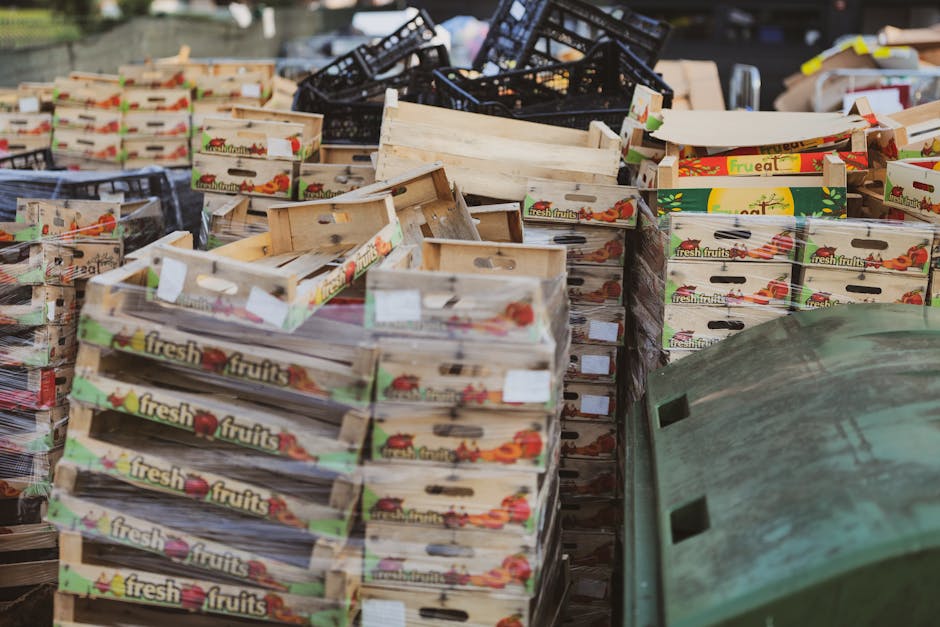
Camden Market rubbish removal guide for traders
Running a stall or unit in Camden Market can be brilliant, but waste builds up fast. Cardboard stacks behind the counter, broken packaging after a busy delivery day, old display pieces, food waste from a trading pitch, and the occasional "where on earth did this come from?" pile all add up. If you are looking for a Camden Market rubbish removal guide for traders, this is the practical version: clear, local, and focused on what actually helps you keep your pitch tidy without wasting time.
Good rubbish removal is not just about avoiding a messy back area. It affects customer impressions, staff safety, trading flow, and how easily you can reset the stall for the next day. In a place as busy and visible as Camden, that matters. A lot. This guide walks through the process, the main risks, the smartest ways to deal with different waste types, and how traders can choose a removal approach that suits their space, schedule, and budget.
To make things easier, we also point to useful pages on services, pricing, sustainability, and specialist waste handling where relevant. Let's get into it.
Why Camden Market rubbish removal guide for traders Matters
Markets live and die on first impressions. If your trading area looks cluttered, customers notice straight away, even if they never say a word. A neat stall suggests care, safety, and professionalism. A pile of mixed waste suggests the opposite. Truth be told, most customers will not separate "busy trader" from "untidy trader"; they just see the space in front of them.
Camden Market has its own rhythm. Early setups, late finishes, quick stock changes, deliveries that arrive when you are already flat out, and occasional fit-out work all create waste at odd times. That makes rubbish removal a planning issue, not a panic issue. Traders who build a simple system waste less time and avoid those last-minute scrambles with bags overflowing behind the stall.
There is also a practical side. Loose waste can block access, attract pests, create trip hazards, and interfere with customer movement. In tight retail environments, even a few bins or a broken display board can become a nuisance. And if you are dealing with furniture, appliances, packaging straps, or other bulky items, a regular bin service may not be enough. That is where a proper commercial clearance approach becomes useful, and a service like business waste removal can make a lot of sense for traders with regular disposal needs.
Expert summary: the best rubbish removal system for Camden traders is usually the one that is simple enough to follow on your busiest day, not the one that looks ideal on paper.
How Camden Market rubbish removal guide for traders Works
At its core, market waste removal follows a simple pattern: sort, store, schedule, remove. The details matter though, because not all waste can go in the same place and not every trader has the same setup.
Most traders generate a mix of waste streams. Cardboard from deliveries, soft plastics, broken packaging, wood offcuts, old shelving, damaged stock, food-related waste, appliance waste, and sometimes confidential paper or hazardous items. If you treat all of that as one pile, you end up with more hassle later. Separating waste early makes the collection process faster and usually cleaner too.
In practical terms, removal often works in one of three ways:
- Small daily or near-daily waste handling for lightweight rubbish and packaging.
- Planned bulk collection for accumulated stock, display units, or end-of-season clear-outs.
- Specialist disposal for appliances, hazardous waste, confidential material, or awkward items.
If your waste is mostly cardboard, packaging, and light commercial rubbish, a scheduled service may be enough. If you are refitting a stall, replacing fixtures, or clearing an office space above the trading area, you may need something closer to a one-off clearance. For that kind of job, the broader waste removal option is often the right starting point, while fit-out and strip-out debris can also overlap with builders waste clearance.
And yes, the timing matters. Camden gets busy fast. If your waste is removed before the trading rush or after closing, you avoid awkward blockage and reduce the chance of a messy frontage. That part sounds obvious, but it is one of the easiest things to get wrong when the day gets away from you.
Key Benefits and Practical Advantages
There are obvious benefits to keeping rubbish under control, but the less obvious ones can matter even more in a market environment.
Cleaner presentation. A tidy stall feels more inviting. Customers may not consciously think about waste management, but they notice when a space is neat and organised.
Better movement and safety. Markets often have narrow working spaces. Removing rubbish promptly helps prevent blocked walkways, stacked bags, and the sort of clumsy near-miss that makes everyone grumpy for the rest of the day.
Faster reset after trading. If you know exactly where waste goes and when it leaves, closing down becomes a straightforward routine instead of a nightly battle. That can be a relief when you are tired and it is raining sideways at half seven in the evening. London does that to people.
Less pest pressure. Food scraps, unbagged waste, and lingering packaging can attract unwanted attention. Better waste habits reduce the chance of issues before they start.
More control over costs. Sorting material properly can help traders avoid paying for the wrong type of collection. Heavy mixed waste, for example, is often more expensive to handle than clean cardboard or separated material.
Better sustainability story. Customers increasingly notice when traders recycle sensibly and avoid unnecessary disposal. If you want to strengthen that part of your business, the site's recycling and sustainability information is a useful reference point.
Less stress. Honestly, this is underrated. When waste is under control, you think more clearly about stock, service, and sales. That is worth a lot on a packed market day.
Who This Is For and When It Makes Sense
This guide is for a wide range of Camden traders, not just one type of stall. If you sell clothing, homeware, records, food, antiques, artwork, or anything in between, rubbish still happens. Sometimes the waste is small and regular. Sometimes it is sudden and awkward.
It makes sense if you are:
- setting up a new stall or unit;
- replacing display furniture or storage;
- dealing with packaging after large deliveries;
- clearing damaged stock after a wet week or a rough shift;
- updating a back-of-house area or stockroom;
- closing temporarily for refurbishment;
- trying to keep waste from spilling into customer-facing areas.
If your space is more like an office above the trading area, you may also benefit from services such as office clearance. If your business has bulky old seating, worn counters, or fixtures that are past their best, then furniture disposal can be a more practical path than trying to force everything into ordinary waste handling.
There is a point where doing it all yourself stops being the sensible option. Usually you feel that point before anyone else does. The bags are stacked, the floor space is shrinking, and you are starting to walk around things instead of through the stall. That is the signal.
Step-by-Step Guidance
Here is a straightforward process traders can use to keep Camden Market waste under control without overcomplicating it.
- Do a quick waste audit. Look at what you throw away in a normal week. Cardboard? Food packaging? Old stock? Broken display items? Write it down. Even a rough picture is better than guessing.
- Separate waste by type. Keep cardboard apart from general rubbish. Keep electricals apart from soft waste. Keep hazardous or potentially contaminated items clearly isolated.
- Set a holding point. Decide where waste will sit before removal. It should be out of customer view, not in a fire exit, and not where it blocks staff movement.
- Choose the right removal method. Small, regular waste may suit an ongoing collection arrangement. Bulky items or one-off clear-outs usually need a booked clearance.
- Bundle and label where useful. Flatten cardboard, bag mixed waste securely, and mark anything that needs specialist handling.
- Book around trading hours. Whenever possible, plan removal for a quieter window. Early morning or after close can save a lot of friction.
- Check what should not be mixed in. Items like fridges, certain appliances, and hazardous materials need separate treatment. If you are unsure, it is safer to ask first.
- Review the system after collection. If something felt clumsy, fix it. Waste handling should get easier each time, not harder.
A quick example: a trader takes in new shelving, old stock boxes, and a damaged mini-fridge on the same week. Rather than leaving everything in one corner for "later", the smarter move is to separate the fridge for specialist handling, flatten the cardboard, and arrange a collection for the bulky waste. Less chaos. Less smell too, which is always nice.
For appliance-related items, the dedicated fridge and appliance removal page is worth a look. It is one of those jobs where the wrong approach can waste time very quickly.
Expert Tips for Better Results
Most waste problems in market settings come from friction, not volume. Small habits make a big difference.
- Flatten cardboard immediately. It takes seconds and saves a surprising amount of space. Honestly, this one change alone can make a tiny storeroom breathe again.
- Use the smallest sensible container. Oversized open bags tend to overflow and invite mess. Choose containers that fit the way you actually work.
- Keep cleaning and disposal separate. Tidying up as you go is helpful, but it is not the same as waste removal. Mixing those jobs can make both of them slower.
- Protect your back-of-house route. If waste has to pass through customer areas, schedule it carefully and keep movement tight and tidy.
- Have a plan for "odd" items. Broken furniture, soaked stock, metal rails, screens, and old display equipment are the items that cause delay. Plan for them before they appear.
- Track repeat waste. If the same type of rubbish keeps appearing, that is a sign your ordering, storage, or unpacking process may need a tweak.
One helpful habit is to think in terms of "waste hotspots". Where does mess actually start? Near deliveries? Beside the till? Behind the display? Fix the source and the whole workflow gets calmer. Small, boring improvements. The best kind, really.
If you want to compare disposal choices and understand what is appropriate for different loads, the site's what can go in a skip guide can also help frame what belongs together and what does not.
Common Mistakes to Avoid
Waste management usually goes wrong in predictable ways. The good news is that most of them are easy to avoid once you know what to look for.
- Waiting until the end of the week. Then the pile is bigger, heavier, and harder to shift. Small regular removal is easier on everyone.
- Mixing everything together. Cardboard, general rubbish, and specialist items all in one heap creates more work and may create compliance headaches too.
- Leaving items in public view. It looks untidy and can create access issues. A busy market needs visible order.
- Ignoring bulky waste. Old counters, broken shelving, and worn seating do not disappear just because they are out of the way. They need a proper plan.
- Assuming "someone else will sort it". That is how waste becomes a weekend problem. And nobody wants that.
- Overlooking safe lifting. Even a modest load can be awkward in tight spaces. Two people, correct lifting, and a clear route are worth the extra minute.
A small but common slip is underestimating packaging waste after deliveries. It arrives folded flat, looks harmless, then suddenly you have half a mountain of it. Annoying, but very fixable with a clear routine.
Tools, Resources and Recommendations
You do not need a complicated system to manage trader waste well. A few simple tools are often enough.
- Heavy-duty bin bags or collection sacks for general waste.
- Cardboard flatteners or cutters to reduce volume quickly.
- Clear labels for separating recyclable, general, and specialist items.
- A secure holding area where waste stays out of customer traffic.
- A simple collection calendar so the same mistake does not happen twice.
For traders with ongoing business waste needs, it can help to review the wider service structure rather than only reacting to the latest pile-up. A page like business waste removal gives a better sense of recurring arrangements, while pricing and quotes is useful when you want to compare options before booking.
If you handle confidential paperwork, old customer files, or printed records, the right solution may be different again. In that case, confidential shredding is the safer route than simply bagging papers with the rest of the rubbish.
For traders with stockrooms, storage cages, or mixed-use premises, you may also need a broader clean-out from time to time. That is where pages like flat clearance, house clearance, or home clearance can be relevant if the space is being emptied as part of a move or refurb. Not every trader will need those, of course, but when you do, they can save a lot of back-and-forth.
Law, Compliance, Standards, or Best Practice
Waste handling in the UK is not something to be casual about. Traders do not need to become legal specialists, but they do need a sensible understanding of their responsibilities. The safest approach is to treat waste as part of business operations, not an afterthought.
Best practice usually means:
- keeping waste stored safely and securely;
- separating ordinary rubbish from specialist waste;
- using a responsible removal process for items that cannot go in standard collections;
- making sure staff know where waste goes and who handles it;
- avoiding unsafe stacking, spillages, and blocked access routes.
If waste includes items that may be hazardous, electrical, or otherwise sensitive, the standard is to treat them carefully and separately. A trader should not improvise. That is where a service page such as hazardous waste disposal becomes relevant. Likewise, if your business is replacing fridges or similar appliances, don't just leave them by a wall and hope for the best. That rarely ends well.
It is also sensible to think about safety and liability. The site's insurance and safety information may help reassure traders who want a more structured and careful approach, especially when heavy items or shared access routes are involved.
For businesses that care about broader operating standards, pages like health and safety policy and terms and conditions can also provide useful context. The practical lesson is simple: if waste is awkward, heavy, sharp, wet, or potentially harmful, do not treat it as ordinary rubbish.
Options, Methods, or Comparison Table
Different traders need different waste solutions. The right choice depends on volume, item type, frequency, and how much space you have behind the stall.
| Method | Best for | Strengths | Watch-outs |
|---|---|---|---|
| Regular bagged waste | Light daily rubbish, packaging, mixed small waste | Simple, fast, easy to integrate into daily routine | Can pile up quickly if not monitored |
| Scheduled business collection | Traders with predictable waste volumes | Reliable, less clutter, better planning | Needs consistency and enough storage space |
| One-off clearance | Refits, stockroom clear-outs, bulky waste | Removes large loads in one go | Requires planning and clear access |
| Specialist disposal | Hazardous items, appliances, confidential material | Safer and more appropriate for non-standard waste | May need extra sorting and separate booking |
For many Camden traders, the ideal setup is a mix: regular handling for day-to-day rubbish, plus occasional specialist collections for bulky or unusual items. That flexible approach usually keeps things lean without overpaying for a service you barely use.
Case Study or Real-World Example
Picture a small trader near the market, selling home accessories and vintage pieces. On a normal week, the waste is mostly cardboard, wrappings, damaged filler material, and a few broken display bits. Nothing dramatic. Then a new delivery arrives, a shelf cracks during unpacking, and an old cabinet from the back area finally gives up the ghost. Suddenly the rear corner is full, the stockroom is awkward to walk through, and the day starts to feel longer than it should.
Instead of letting it sit there for "later", the trader separates the cardboard, bags the lighter rubbish, and flags the cabinet as bulky furniture. Because the items were sorted early, collection is quicker and the trading area stays usable. No customer has to step around it. No one has to drag heavy wood through a crowded aisle at closing time. Simple, really.
That example sounds small, but it is exactly how good waste management works in practice: one less obstruction, one less worry, one more hour focused on the actual business. And that is usually the point.
If furniture is part of the problem, the related furniture clearance and mattress and sofa disposal pages can be helpful where applicable. For traders replacing stockroom pieces or customer seating, those details matter more than people expect.
Practical Checklist
Use this quick checklist before booking or arranging removal:
- Have you separated cardboard, general waste, bulky items, and specialist waste?
- Is the waste stored safely and away from customer flow?
- Do you know which items need specialist handling?
- Have you checked whether any items are hazardous, electrical, or confidential?
- Is access clear for collection without disrupting trading?
- Have you flattened or bundled material where possible?
- Do you know whether this is a one-off job or a repeat requirement?
- Have you reviewed pricing before committing?
- Is there a safe lifting plan for anything heavy or awkward?
- Have you got a clean-up plan after removal so the space resets quickly?
Quick takeaway: if you can answer yes to most of those points, you are probably set up well. If not, tidy the process first, then book the removal. It saves hassle. A lot of hassle, actually.
Get a free quote today and see how much you can save.
Conclusion
A sensible Camden Market waste plan is not complicated, but it does need consistency. Traders who separate waste early, plan around busy trading hours, and use the right removal method usually end up with cleaner stalls, smoother close-downs, and far less stress. That is the heart of this guide.
Whether you are dealing with packaging, furniture, appliances, stockroom clutter, or a one-off clear-out, the same principle applies: remove what you do not need before it starts slowing you down. Keep it safe. Keep it simple. Keep it regular where you can.
If you want a more structured approach to commercial waste handling, start with the broader business pages, compare your options, and choose a system that suits your trading pace. It does not have to be perfect. It just has to work on a busy day, when the market is buzzing and you have about twelve things happening at once.
And if you are in the middle of that kind of day right now, fair enough - one small improvement at a time is still progress.
Frequently Asked Questions
What is the best rubbish removal method for Camden Market traders?
For most traders, the best method is a combination of regular waste handling for everyday rubbish and a booked clearance for bulky or unusual items. If your waste is mostly packaging and light general rubbish, a routine business collection may be enough. If you are clearing furniture, fittings, or stockroom clutter, a one-off removal is usually more practical.
How often should traders remove waste from a market stall?
That depends on the amount and type of waste you create. Some stalls only need daily bagged removal, while busier traders need more frequent collections. The key is not letting waste sit long enough to become a safety issue or crowd the working space.
Can all market rubbish go in one bag?
No, and it is usually a bad idea. Cardboard, general waste, appliances, confidential paper, and hazardous items should be handled separately where possible. Mixing everything together often makes disposal slower, more awkward, and sometimes more expensive.
What should I do with broken furniture from a stall?
Broken furniture should usually be treated as bulky waste rather than ordinary rubbish. If it is still usable, you may be able to keep it aside for reuse. If not, look at furniture-specific disposal or clearance options so it is removed safely and efficiently.
Are fridges and appliances treated differently from normal rubbish?
Yes. Appliances often need separate handling, especially if they are bulky or contain components that should not be mixed with general waste. It is better to book a suitable appliance removal service than to leave them in a general rubbish pile.
How do I keep waste from affecting customers?
Store waste out of sight where possible, keep pathways clear, and schedule removal for quieter times. A tidy back area often makes the whole stall feel calmer and more professional. Customers may never see the storage area, but they do feel the effect of good organisation.
Is recycling worth the effort for market traders?
Usually, yes. Recycling cardboard and other suitable material can reduce clutter and help traders run a cleaner operation. It also supports a more responsible business image, which is increasingly important in customer-facing spaces.
What if I have confidential papers to dispose of?
Confidential papers should not simply be thrown in with general waste. Use a secure shredding approach so private information is handled properly. That is especially relevant for businesses that store customer details, invoices, or internal records.
How do I know if waste counts as hazardous?
If waste is potentially harmful, contaminated, sharp, chemical-based, or otherwise unsafe to handle casually, treat it as specialist waste. When in doubt, separate it and ask for the correct disposal route rather than guessing.
Is a one-off clearance better than regular collections?
It depends on the situation. One-off clearances are ideal for big clean-outs, refits, or sudden bulky waste. Regular collections work better when waste is predictable and recurring. Many traders use both at different times of year.
Can I book waste removal around market trading hours?
Yes, and that is often the smartest approach. Early morning or after-hours collections can reduce disruption and keep trading smooth. It is one of those small planning choices that pays off quickly.
Where should I start if my waste system is a mess?
Start by sorting waste into simple categories: cardboard, general rubbish, bulky items, and specialist items. Then clear the storage area, decide what can be removed immediately, and set a routine so the problem does not rebuild itself. Small steps first. That is usually enough to get control back.
How can I compare waste removal options before booking?
Look at what you throw away, how often you need removal, how much space you have, and whether any items need specialist handling. Then review practical information such as pricing and quotes and the type of service that fits your setup. The cheapest option is not always the best one if it creates extra handling work.
Do traders need to think about safety and access during waste removal?
Absolutely. Heavy items, narrow routes, wet surfaces, and crowded trading areas all raise the risk of accidents. Good access planning keeps staff safer and makes removal quicker. A bit of thought at the start prevents a lot of awkward manoeuvring later.
For traders who want a straightforward way to keep their pitch tidy, the smartest next move is usually to organise the waste by type, choose the right collection method, and get the bulky stuff out before it becomes a problem. That is how you keep a busy market space working for you, not against you.